


14 Sep Why I Carry a Tangem Crypto Card — hands-on with the Tangem app and real-world NFC convenience
Whoa. I wasn’t expecting to like a card this much. At first glance it looks like a fancy credit card, thin and unassuming. My instinct said «meh, another gimmick» — but after a week of carrying, tapping and occasionally panic-testing it, I changed my mind. This piece is the practical, slightly opinionated run-through of using the Tangem app with the physical Tangem crypto card: what works, what bugs me, and why this kind of hardware wallet matters for everyday crypto users who want both security and simplicity.
Quick confession: I’m biased toward hardware-first security. I trust devices that keep private keys offline. That said, I also want things that fit into day-to-day life — not a museum-safe setup. The Tangem card lives at that intersection: it stores keys on a chip, communicates via NFC, and pairs to the Tangem app on your phone. No cables. No seed phrases printed on paper in a shoebox (which is still a fine method, but not very 2026).
So how does it actually feel? Intuitive. Fast. A little weird the first time you tap your phone to the card and the app lights up — it feels modern and kind of sci-fi. But the tech under the hood is conservative: secure element, isolated private key, and a small attack surface because there’s no Bluetooth or Wi‑Fi. The simplicity is the security feature.
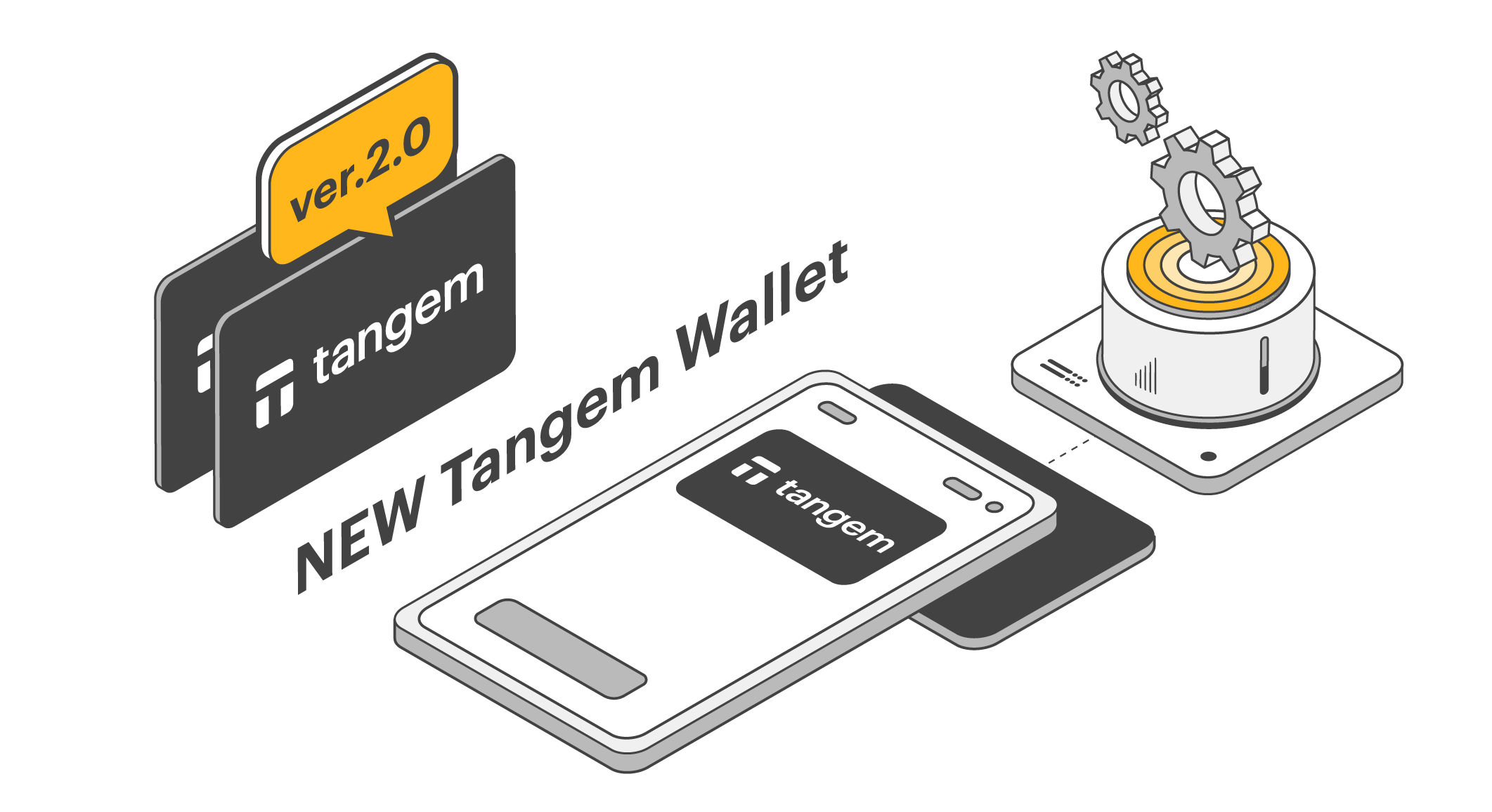
What the Tangem app + tangem wallet setup looks like
Okay, so check this out—setup is delightfully low-friction. You open the Tangem app, tap the card to your phone, and the app reads the card’s public info. The wallet creates an account on the card itself; private keys never leave the secure element. You can create multiple accounts on the same card for different blockchains, though there are some practical limits depending on the card model and firmware.
Transaction signing is done by tapping the card to your phone when prompted. The Tangem app displays the transaction details, you authorize, and the card signs it. That’s it. No mnemonic phrase to write down during daily use — the card functions as the ownership anchor. Now, pause — that sounds risky if you lose the card. True. Tangem addresses this with options like backup cards (twin cards), cloud-assisted recoveries for certain products, or by encouraging a secure physical backup strategy. I’m not 100% comfortable with every recovery option, but the company does offer choices to fit different threat models.
For readers who want to dive deeper, the official resource I used for reference and some setup tips is the tangem wallet page: tangem wallet. The guides there are pragmatic, and the UX screenshots helped when I was confirming firmware prompts.
One subtle thing that surprised me: the card behaves like a single-purpose hardware wallet more than a phone app pretending to be a wallet. That distinction matters. If your phone is compromised, the attacker still needs the physical card to sign transactions. Conversely, if you lose the card and your phone is safe, you don’t immediately lose access — assuming you’ve set up a backup or recovery procedure.
Security model, in plain language: private key stored in secure element (isolation). Signing requires physical presence of the card. The app is a traffic director — it prepares transactions and shows human-readable data for confirmation. That’s the defense-in-depth: hardware + human checks.
Now, here are some real-world notes I collected while using the card in coffee shops, airports, and at home.
First, convenience is the killer feature. Tap to pay? Not quite. But tap to sign? Yes. If you trade or move funds periodically, this workflow beats juggling seed phrases. Second, durability seems solid. The card endured keys, cables, and a few unceremonious drops in my backpack. I did not dunk it in the pool — not testing that. Third, compatibility: the Tangem app supports many chains, but not every token across every network. If you rely on obscure tokens or custom smart contracts, double-check support before moving funds.
Some things bug me. The recovery story is nuanced and varies by card model. I’m comfortable with a twin-card backup model (two cards created together that can recover the same wallet), but I’m wary of cloud-based convenience features. I’d call this the classic tradeoff: convenience vs. trust. Also, if you like multi-sig at a deeper level, Tangem’s ecosystem is evolving but not a full replacement for advanced multisig vaults yet.
On the UX front—small complaint—some confirmations in the app are terse. I want to see more human-friendly contract details when approving DeFi interactions. The app’s recent updates have improved this, but power users will still want to cross-check transaction data with external explorers or tooling when dealing with smart contracts.
Cost matters. Tangem cards are priced to be accessible, which is intentional. You can treat a card as a daily driver without feeling guilty about using it, or you can buy a second as backup. For some folks, that’s a game-changer compared to expensive, finicky hardware modules that need cables or dongles.
Let’s talk threats plainly. If an attacker steals your card and your phone is unlocked, you’re in trouble — so always use a phone lock and consider app-level PINs. If someone steals your card but you have a secure backup, you can recover access. If both card and backup are compromised, all bets are off. The Tangem approach reduces remote attack vectors but doesn’t eliminate physical-loss risk, which is inherent to any possession-based security tool.
Practical tips from my week of use
Use a backup card. Seriously. Make one during initial setup if the product supports it. Keep backups in separate locations — safe, offline, predictable. Label them. I know, it’s basic crypto hygiene, but people forget.
Keep firmware updated. Tangem releases security and UX updates; installing them when possible keeps your device current. Do this in a trusted environment — not on sketchy public Wi‑Fi while half-asleep at a cafe.
Test a low-value transfer first. Before you move anything substantial, do a small send and go through the signing choreography. This helps you get comfortable with the flow and verifies that the app and card behave as expected for your assets.
FAQ
Is the Tangem card safe for long-term storage?
Yes, for many users. The secure element keeps private keys off the internet. Long-term safety depends on backup strategy, physical security, and following recommended firmware updates. Consider using an additional backup card or other cold-storage methods for very large holdings.
What happens if my phone is lost or stolen?
If your phone is lost but your Tangem card(s) remain secure, your funds are safe so long as the attacker doesn’t have the card and any required PINs. Restore the app on a new device and pair it with your card or use your backup card per the recovery options you enabled.
Can I use Tangem for DeFi and NFTs?
Yes, with caveats. Tangem supports multiple chains and token types via the app and integrations, but some niche contracts and advanced DeFi interactions may require extra steps or external tools. When interacting with smart contracts, verify transaction details carefully.
All told, the Tangem card plus the Tangem app hits a sweet spot for users who want offline key security without the friction of classic hardware setups. It isn’t perfect. It doesn’t replace advanced multisig vaults for institutions. But for individuals who want private-key ownership and everyday usability, it’s compelling. I’m still testing edge cases and long-term durability. Somethin’ about carrying a tiny cold wallet in your pocket makes crypto feel more like cash and less like a web-based password vault — and for me, that matters.